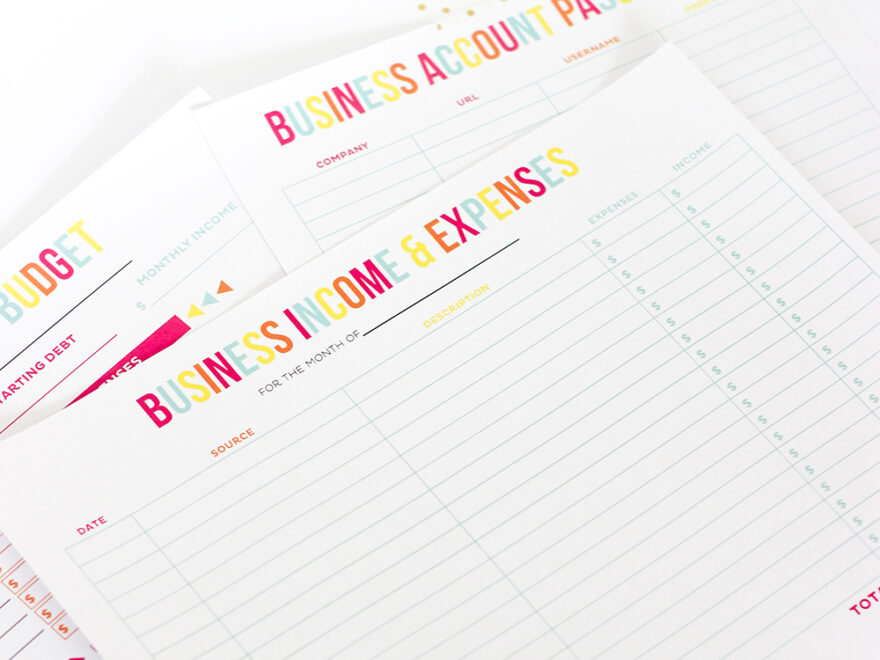
Cash flow problems sink more small businesses than lack of ideas. A free expense tracker for small business gives you a clear view of where money goes each month, helping you spot waste, plan purchases, and make confident decisions without paying for expensive accounting software.
Tracking expenses also makes tax season far less stressful. When receipts, dates, and categories are recorded as you go, you can claim legitimate deductions, answer questions quickly, and hand clean records to an accountant if you hire one later.
Free Tools Worth Considering
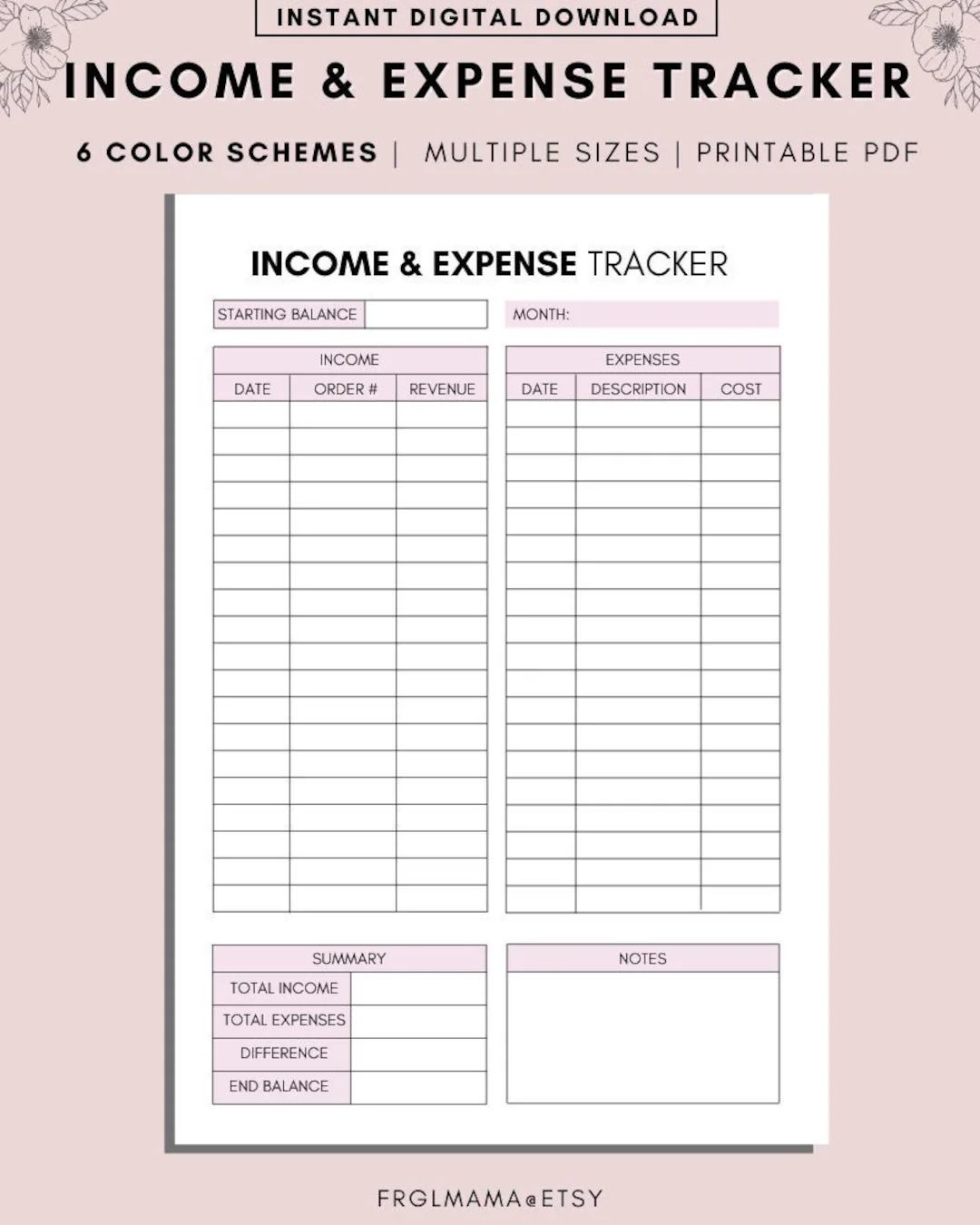
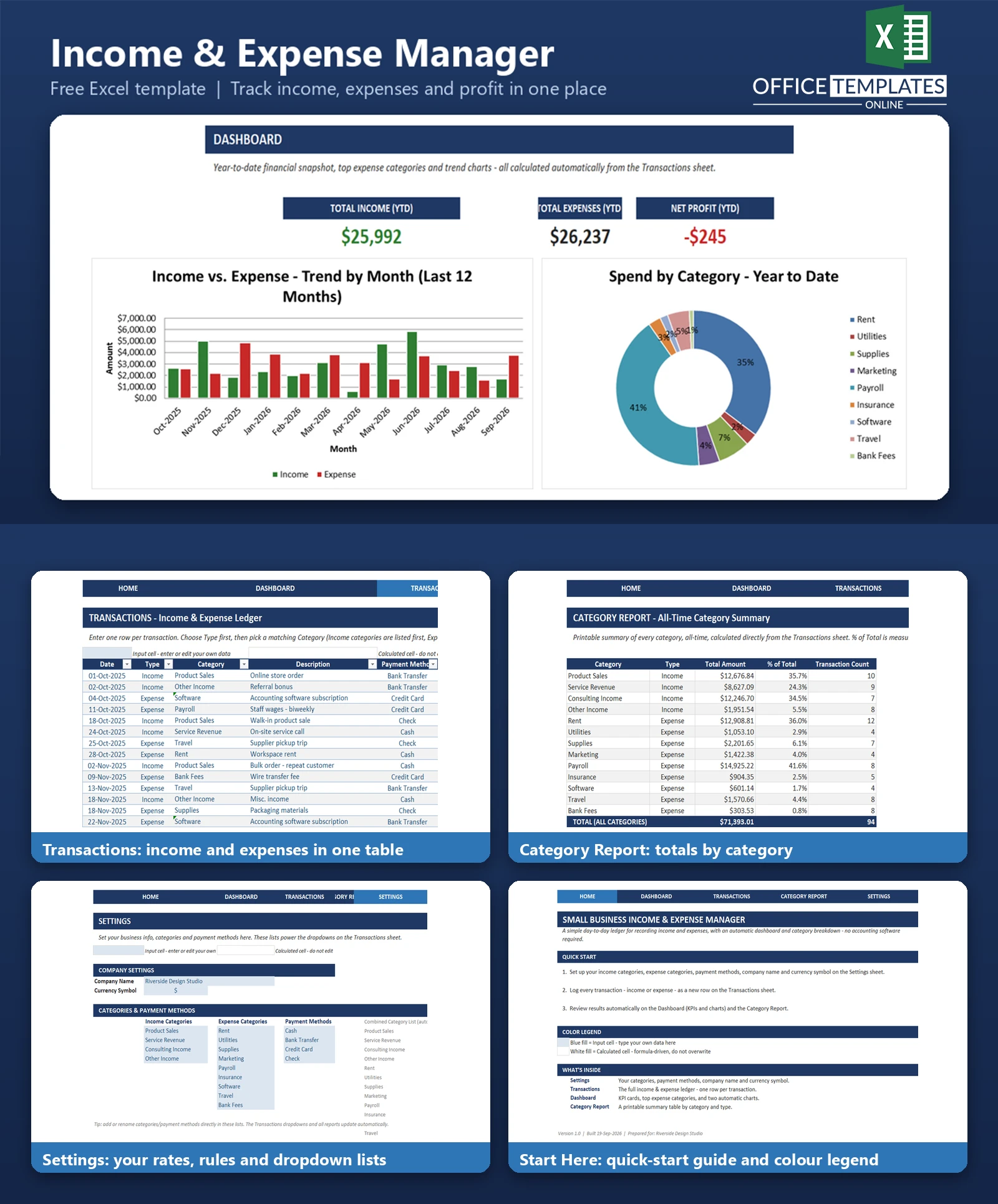
Spreadsheets remain the simplest starting point. Google Sheets and Excel offer free or widely available templates with columns for date, vendor, category, amount, and payment method. Built-in formulas total each category automatically, giving you instant monthly summaries.
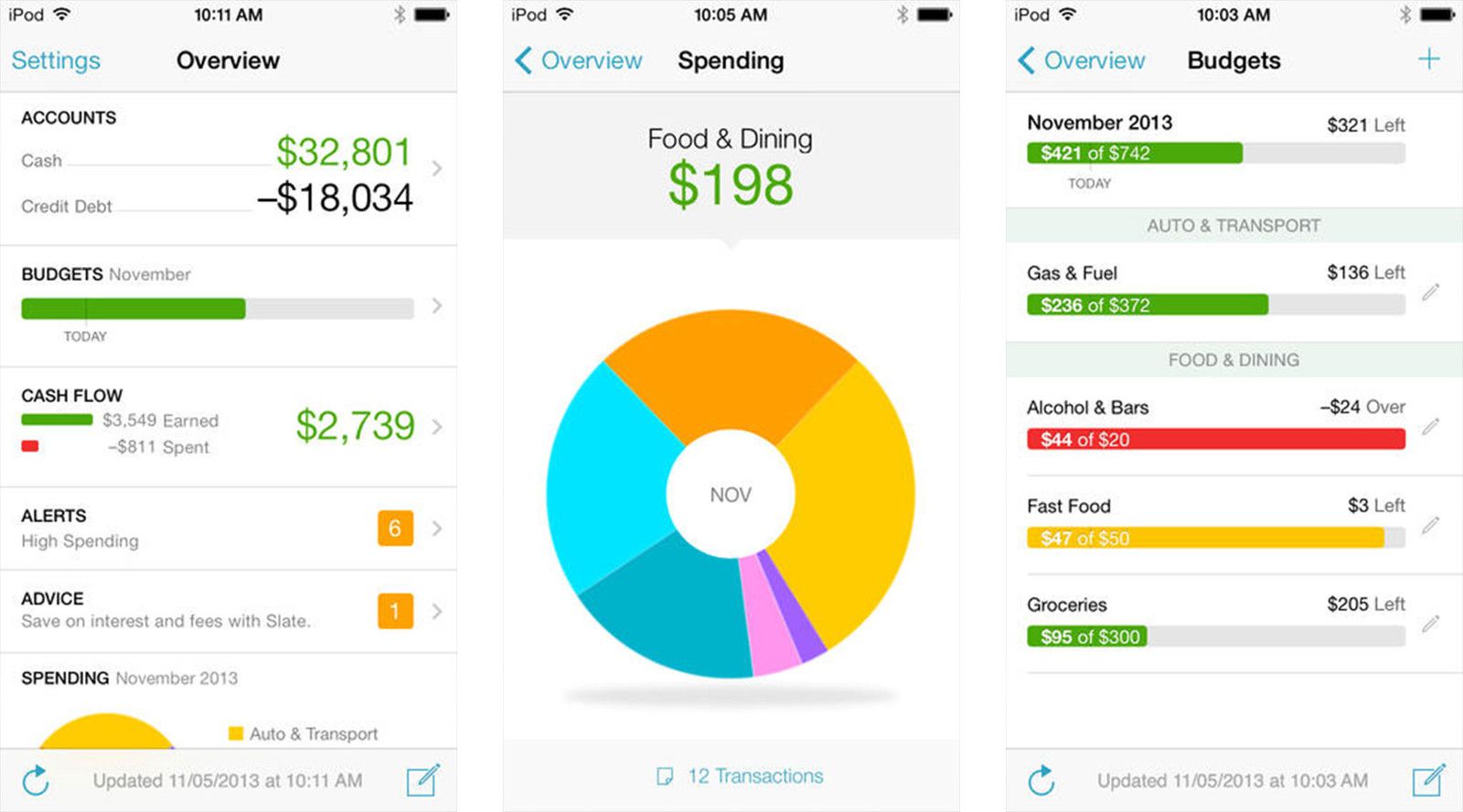
Free mobile apps suit owners who are always on the move. Many let you snap a receipt photo, assign a category, and sync data across devices. Check each app’s free plan limits, since some cap receipts or reports per month.
Entry-level accounting platforms often include free tiers with basic expense tracking and bank feeds. These are useful if you want automatic imports and invoicing in one place. Compare features carefully, and confirm you can export your data if you switch later.
Bank and credit card dashboards are an underused resource. Most provide downloadable statements and spending categories at no cost. Combine them with a spreadsheet to verify entries and catch missing receipts before they become a bookkeeping headache.
Choosing the Right Tracker for Your Business
Match the tool to your volume. A freelancer with a few transactions weekly may thrive with a simple spreadsheet, while a shop with daily purchases benefits from app-based receipt capture and automatic categorization to save time.
Look for the features that matter most. Useful basics include custom categories, receipt storage, mileage tracking, recurring expense reminders, and exportable reports. Skip complicated extras you will not use, because simpler tools are far more likely to become a habit.
Consider security and backups. Choose reputable providers, enable two-factor authentication, and keep a periodic backup of your data. Financial records are sensitive, so protect them as carefully as you would protect cash or client information.
Habits That Keep Your Records Accurate
Separate business and personal spending from day one. Use a dedicated bank account or card for business purchases. This single step prevents confusion, simplifies categorizing, and makes it much easier to defend deductions if you are ever audited.
Set a weekly review routine. Spend fifteen minutes entering receipts, matching bank transactions, and fixing miscategorized items. Short, regular sessions are easier to maintain than a stressful catch-up marathon at the end of the quarter.
Create consistent categories such as rent, software, supplies, marketing, travel, and professional fees. Consistency lets you compare months side by side and quickly see which areas are growing faster than revenue.
Keep digital copies of receipts and invoices in labeled folders or inside your app. Retention rules vary by location, so confirm the requirements that apply to you. Organized documentation saves hours when it is time to file taxes.