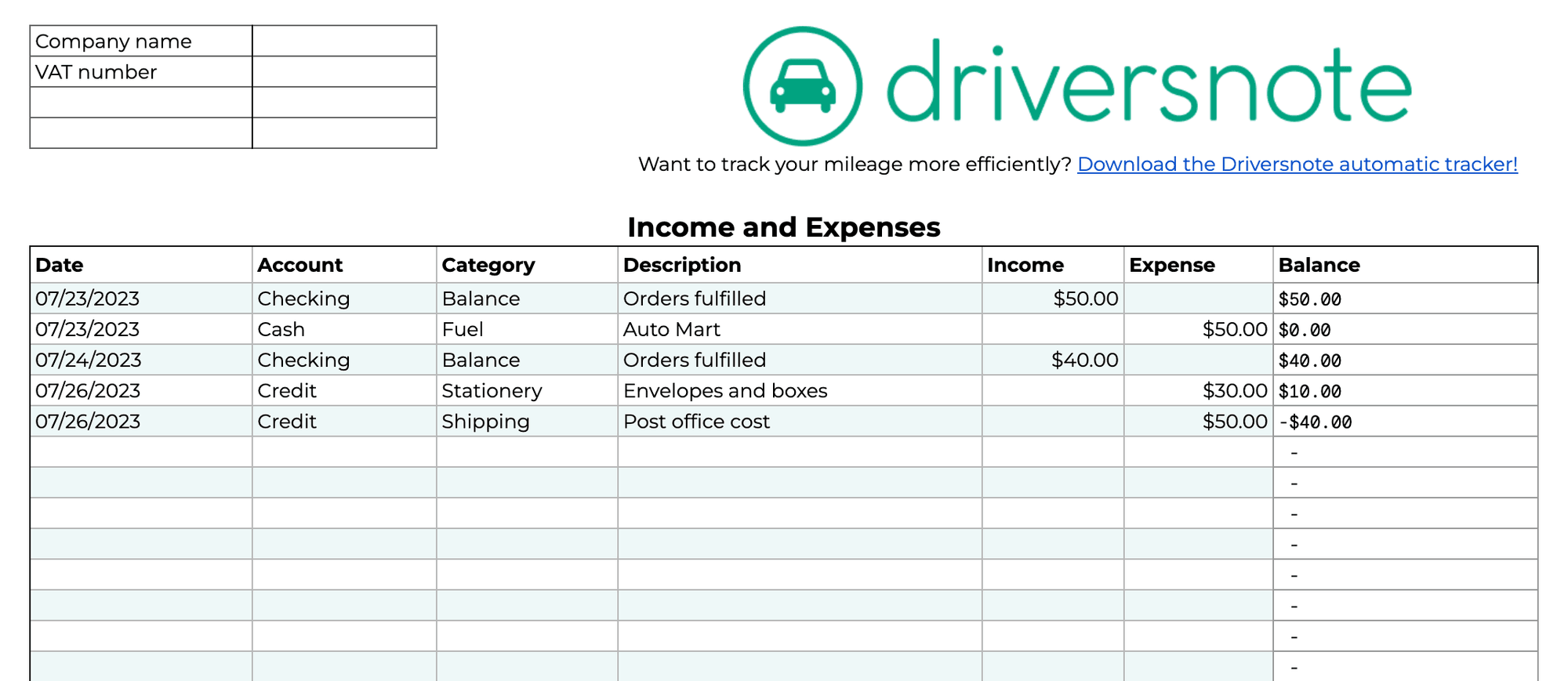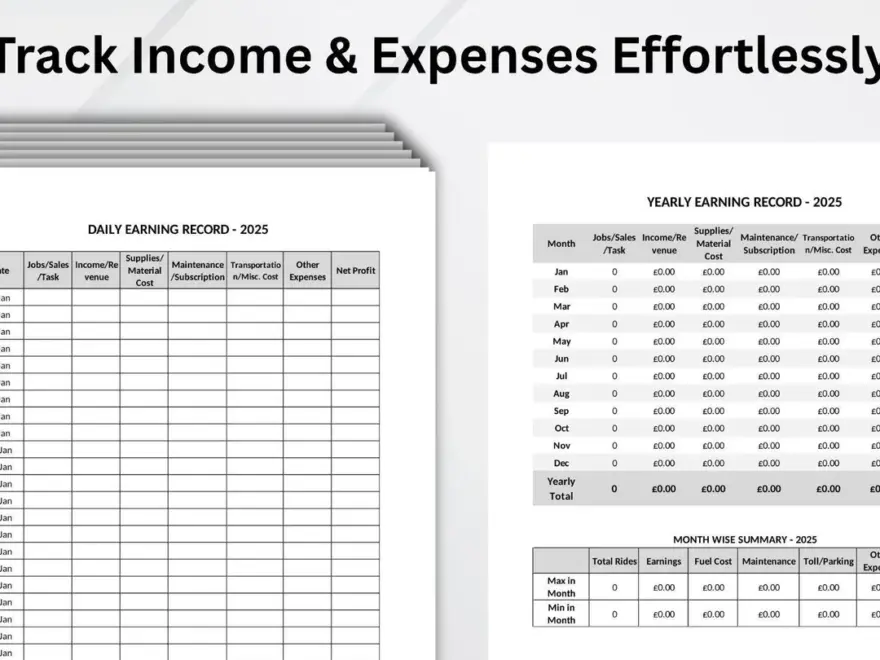
Managing daily company spending becomes effortless when you use a Free Printable Business Expense Log Form to record every transaction. Keeping a physical sheet on your desk lets you write down purchases immediately. This simple habit prevents lost receipts and keeps your small business finances organized throughout the year.
Small business owners and freelancers often struggle with scattered invoices when tax season arrives. Downloading a structured tracking sheet eliminates guesswork by placing all financial figures on a single page. You can print fresh copies every week or month depending on your transaction volume.
Essential Columns for Accurate Bookkeeping
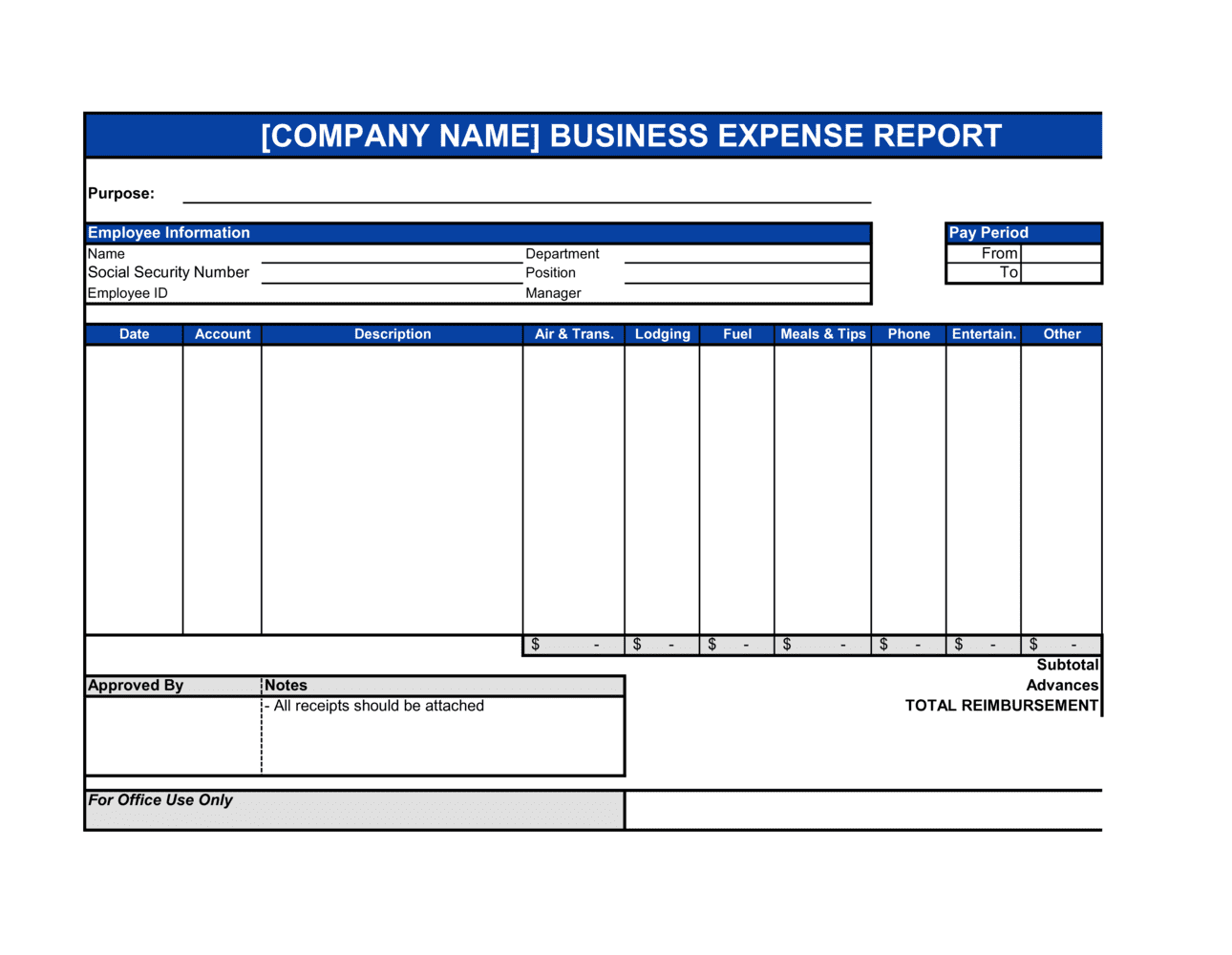
A well-organized expense sheet always includes dedicated spaces for the transaction date, vendor name, and item description. Recording the exact business purpose next to each purchase ensures clear documentation. Adding columns for payment methods and receipt verification helps you match bank statements quickly during monthly reconciliations.
Categorizing costs right away saves hours of sorting later. Standard expense categories typically include office supplies, travel, client meals, software subscriptions, and equipment. Having a subtotal row at the bottom of the page makes calculating weekly or monthly spending straightforward without requiring complex accounting software.
Streamlining Tax Preparation and Reimbursements
Consistent manual logging protects your company during financial audits and simplifies annual tax filings. When every deduction is clearly labeled and paired with a physical receipt, your accountant can process your returns faster. Clear records also ensure you never miss legitimate write-offs that lower your taxable income.
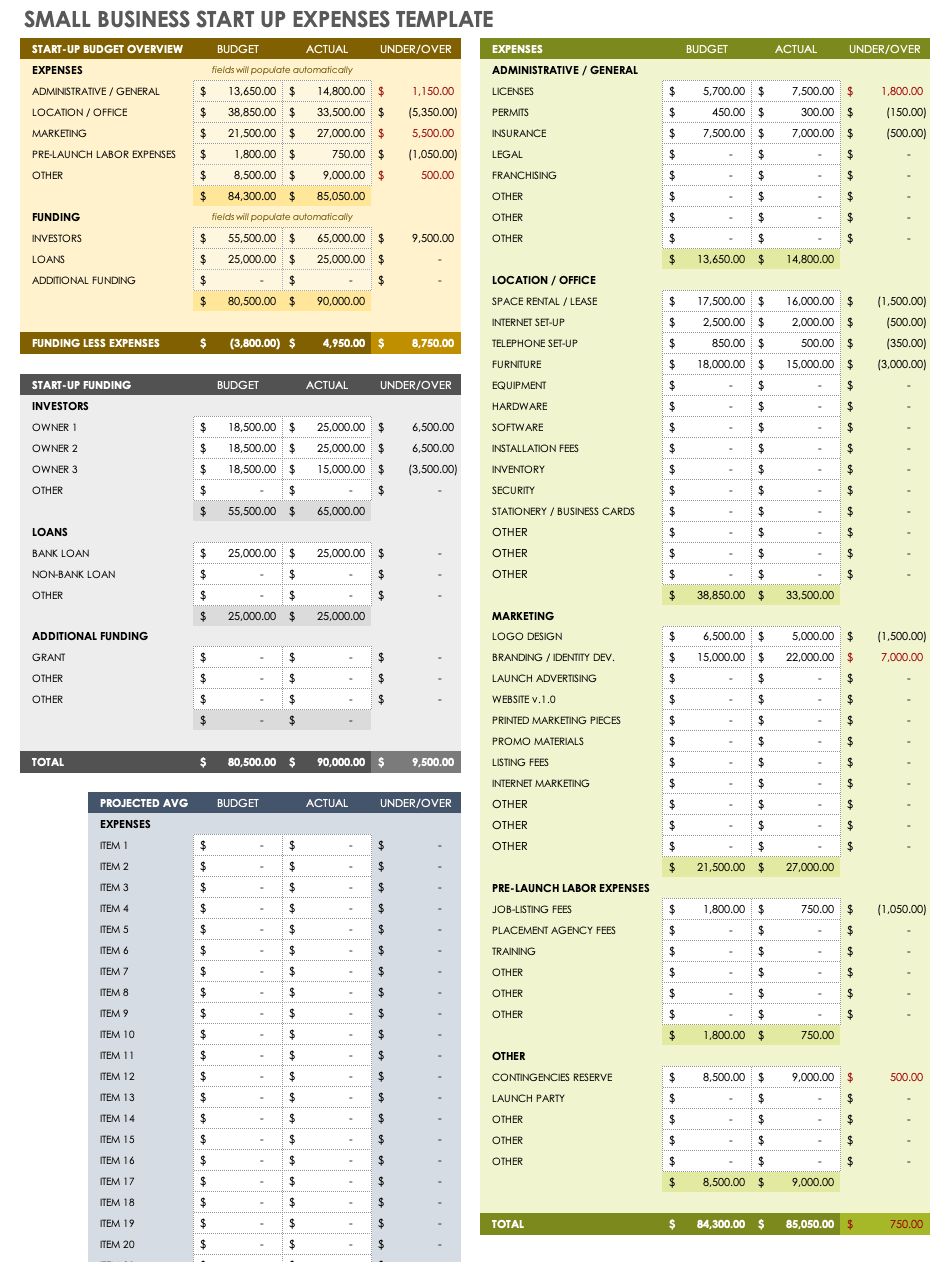
For teams with multiple employees, standardized forms create accountability and transparency around company budgets. Staff members can submit completed sheets with attached receipts to request timely reimbursements. Managers can then review each line item and sign the approval section before issuing payments to team members.
Best Practices for Paper Expense Tracking
Place your printed log inside a dedicated folder or binder near your workspace for easy daily access. Whenever you pay for fuel, shipping, or client coffee, enter the amount before filing the paper receipt behind the sheet. Stapling receipts directly to completed pages keeps everything bundled together.
Set aside fifteen minutes every Friday afternoon to review your entries and verify your math. Checking your numbers regularly helps catch duplicate charges or missing invoices early. Once a month ends, store the completed sheet in an annual tax archive folder and start a fresh blank page.